
Relationships
The Life That Learned to Wait
Living beside addiction can mean years of uncertainty, vigilance and responsibility before the problem is even named. An essay on the life that learns to wait while holding everything together.
Read more →Writing
I write about human behaviour as I encounter it: in relationships, in decisions, in the stories we tell ourselves and in the patterns we repeat.
Some pieces begin with psychology. Others begin with a conversation, an observation or a question that stays with me.
They are not instructions. They are attempts to look more closely.
Subscribe to New Thoughts →
Relationships
Living beside addiction can mean years of uncertainty, vigilance and responsibility before the problem is even named. An essay on the life that learns to wait while holding everything together.
Read more →
Patterns
How much is already expected of a child before anyone has met them? An essay on parental hopes, sacrifice, belonging and the burden of being asked to repair a life that began before you.
Read more →
Relationships
Someone can genuinely change while the relationship still carries the cost of who they used to be. Repair asks a harder question: who is carrying what the harm left behind?
Read more →
Patterns
The circumstances change, the explanations change, and yet something familiar returns. An essay on how patterns become visible across different situations.
Read more →
Identity
Betrayal can damage more than a relationship. Sometimes it changes the betrayer’s relationship with themselves, leaving behind a form of self-knowledge that remorse cannot simply undo.
Read more →
Patterns
Temporary arrangements can outlive the circumstances that created them. What happens when continuity begins to look like renewed choice?
Read more →
Relationships
Some relationships feel most connected when something is wrong. What happens when the crisis ends and the structure it gave the relationship disappears with it?
Read more →
Identity
Why do we make our desires respectable before we admit them? An essay on wanting more, self-justification, and the difference between desire and instruction.
Read more →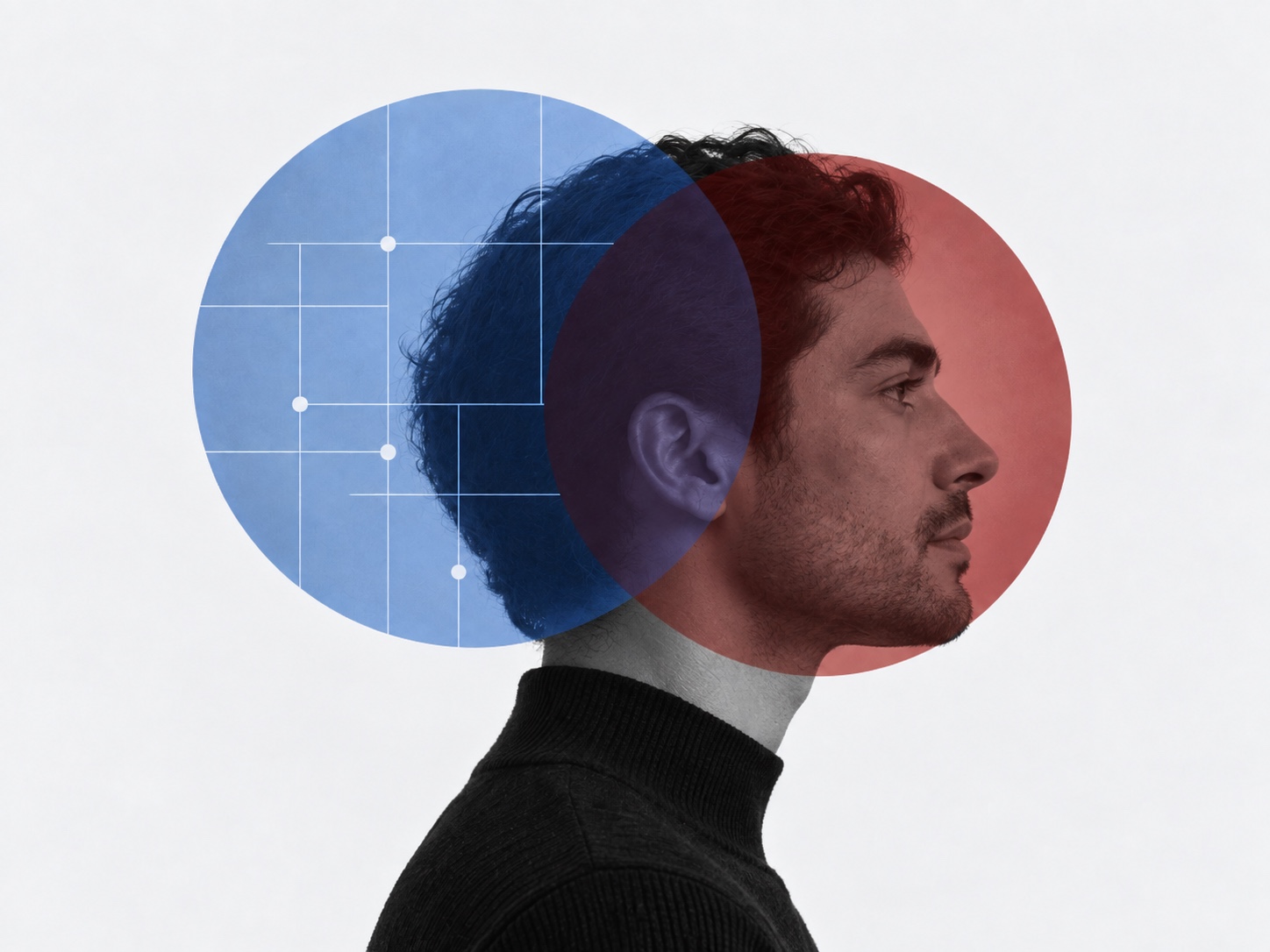
Mind
Why do we feel comfortable discussing ethics but hesitate to make moral judgements? On values, responsibility and the standards we apply to ourselves.
Read more →
Relationships
What happens to intimacy when one person disappoints the other? An essay on relational safety, difference, and remaining separate without losing connection.
Read more →
Patterns
When does tolerance make room for difference, and when does it protect behaviour that should be challenged? On judgement, responsibility and the cost of keeping the peace.
Read more →
Mind & Brain
Some memories become easier to tell with time. The details settle, the sequence becomes familiar, and a life begins to acquire a story. But coherence is not the same as completeness.
Read more →
Patterns
When someone who has been wronged fights back, attention can shift from the harm to their response. What are we condemning when we call them vengeful?
Read more →
Patterns
We can hold an adult responsible while still asking who was responsible for the child. The second responsibility does not erase the first.
Read more →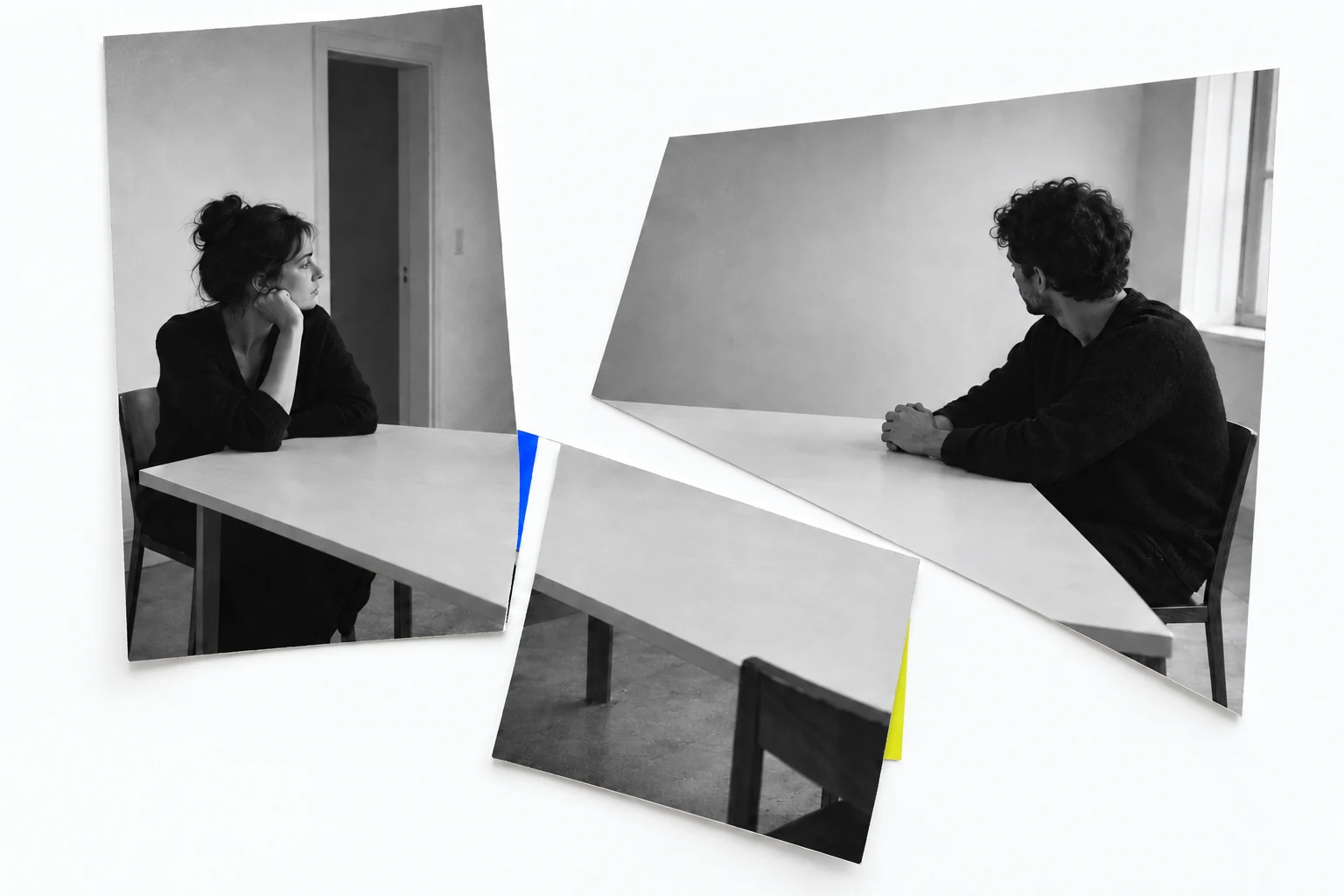
Relationships
Betrayal does more than break trust. It can alter the meaning of the past, unsettle attachment and leave a person questioning their own perception.
Read more →
Mind & Brain
A psychodynamic look at addiction through four vulnerabilities: affect regulation, self-care, relationships and self-esteem.
Read more →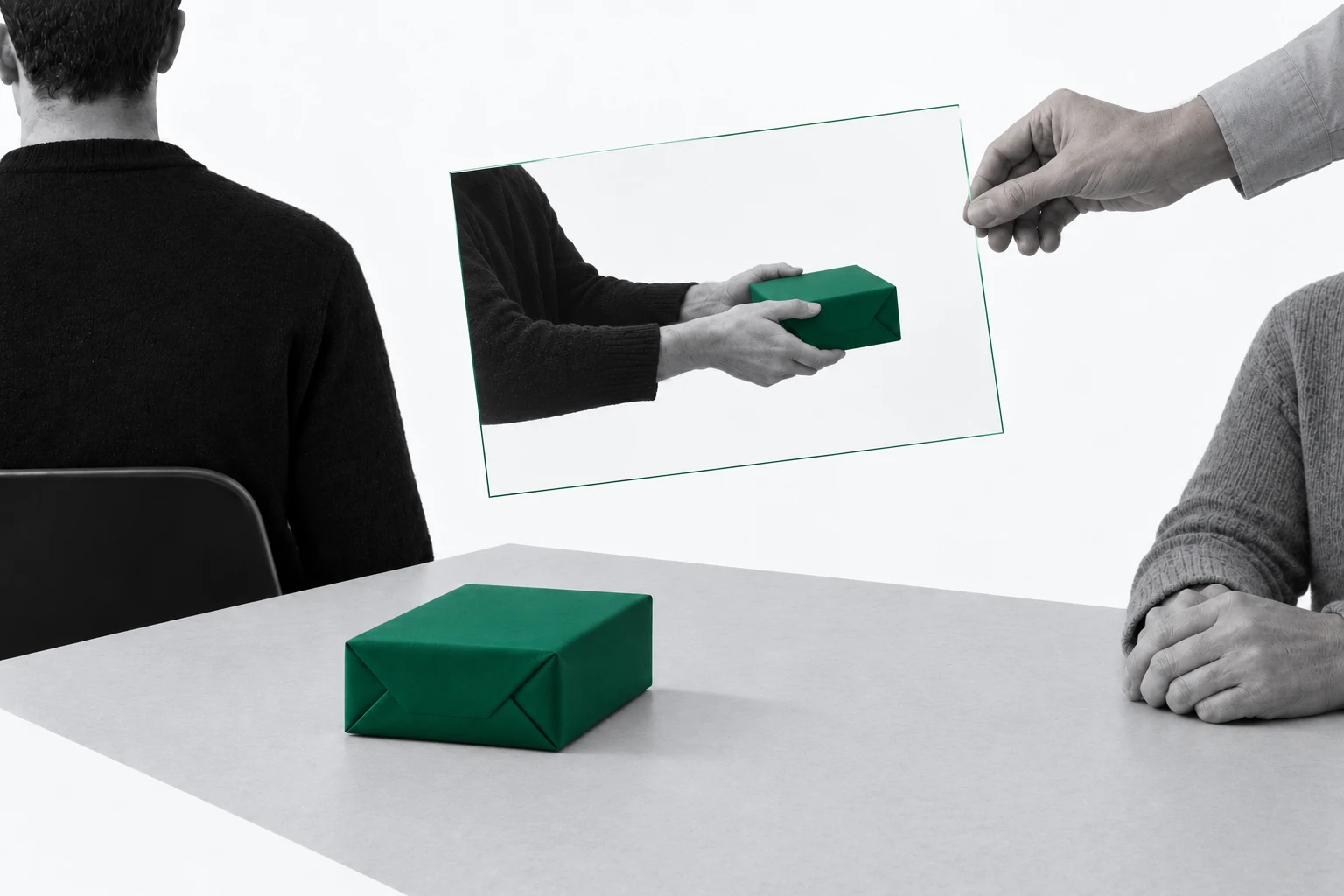
Relationships
Forgiveness can be an act of freedom. When it becomes an obligation, the injured person may find themselves carrying not only the harm, but responsibility for making everyone comfortable with it.
Read more →
Patterns
Understanding people can look like maturity. But when every explanation makes less room for your own experience, what happens to you?
Read more →
Patterns
Sometimes what we are trying to save is not the relationship, but the story we were given at the beginning. A reflection on inconsistency, empathy and the moment reality asks us to update the story.
Read more →
Patterns
Some patterns are easiest to miss because they are built not from what keeps happening, but from what repeatedly never gets the chance to happen.
Read more →
Patterns
Codependency can distort the way we recognise our own needs while also shaping what other people learn to expect from us, often leaving resentment to accumulate around things never openly said.
Read more →
Mind & Brain
The same behaviour can mean very different things depending on when it began, where it appears and what has been happening around it. When that context is missing, a response shaped by trauma can be mistaken for a person’s character.
Read more →
Mind & Brain
Empathy can help us enter another person’s suffering. It can also gather so completely around the person who caused the harm that the victim begins to disappear.
Read more →
Relationships
Self-neglect inside a relationship rarely begins with a dramatic sacrifice. More often, it begins with small decisions that make sense on their own, until almost every decision is being made with someone else’s response in mind.
Read more →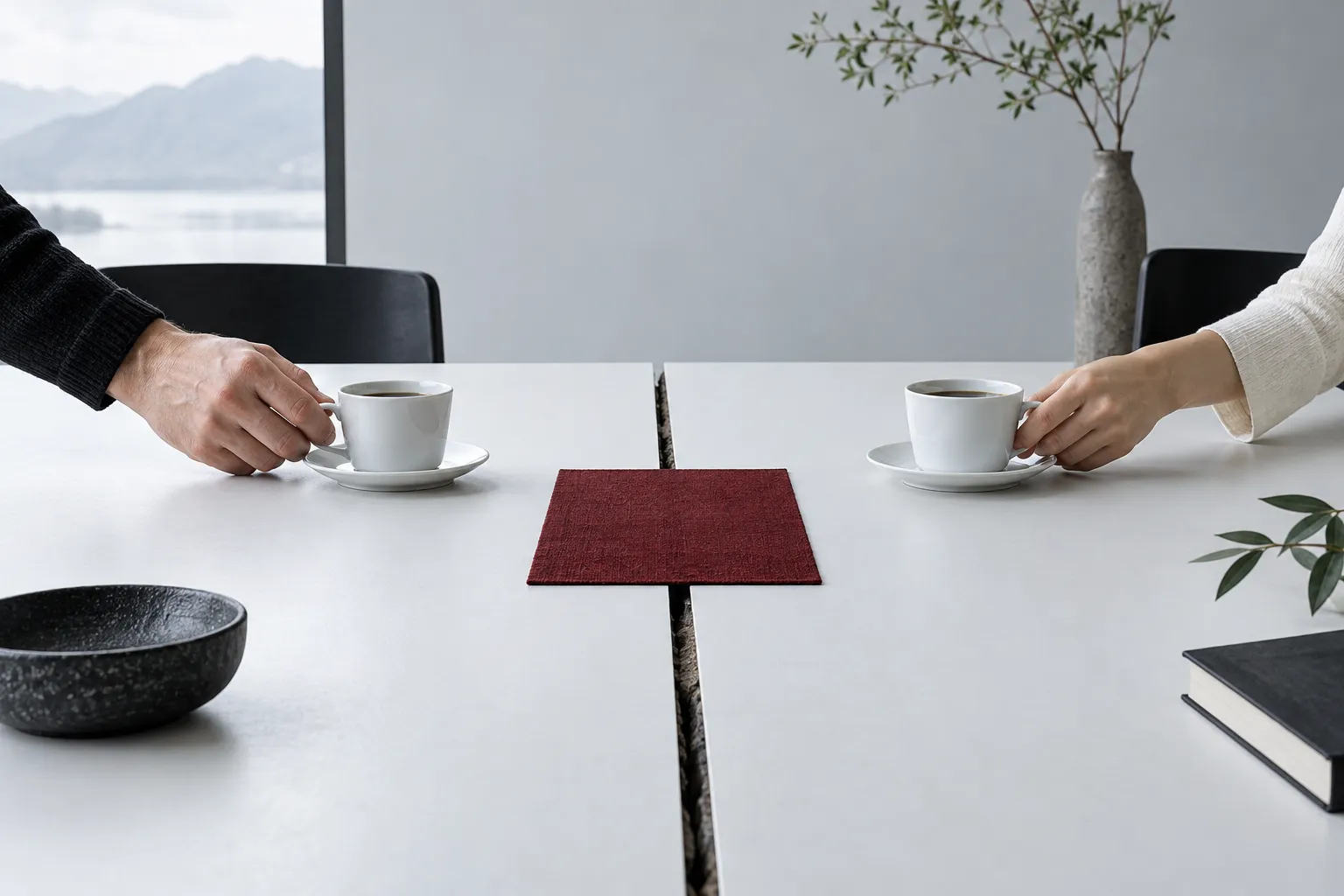
Relationships
Some conflicts end because something has been understood. Others end because ordinary life resumes, and the return to normal is mistaken for repair.
Read more →
Identity
Compromise is not defined by how much it costs us. The more revealing question is whether our own position was allowed to count before the decision was made.
Read more →
Identity
Sometimes usefulness does more than help other people. It can give us a role, a position and a reliable way to know how we belong.
Read more →Occasional writing and observations on human behaviour, relationships, identity and change.
By subscribing, you’ll receive New Thoughts by email. You can unsubscribe at any time. Privacy & Cookies.