
Mind & Brain
What Addiction Is Trying to Regulate
A psychodynamic look at addiction through four vulnerabilities: affect regulation, self-care, relationships and self-esteem.
Read more →Writing
I write about human behaviour as I encounter it: in relationships, in decisions, in the stories we tell ourselves and in the patterns we repeat.
Some pieces begin with psychology. Others begin with a conversation, an observation or a question that stays with me.
They are not instructions. They are attempts to look more closely.
Subscribe to New Thoughts →
Mind & Brain
A psychodynamic look at addiction through four vulnerabilities: affect regulation, self-care, relationships and self-esteem.
Read more →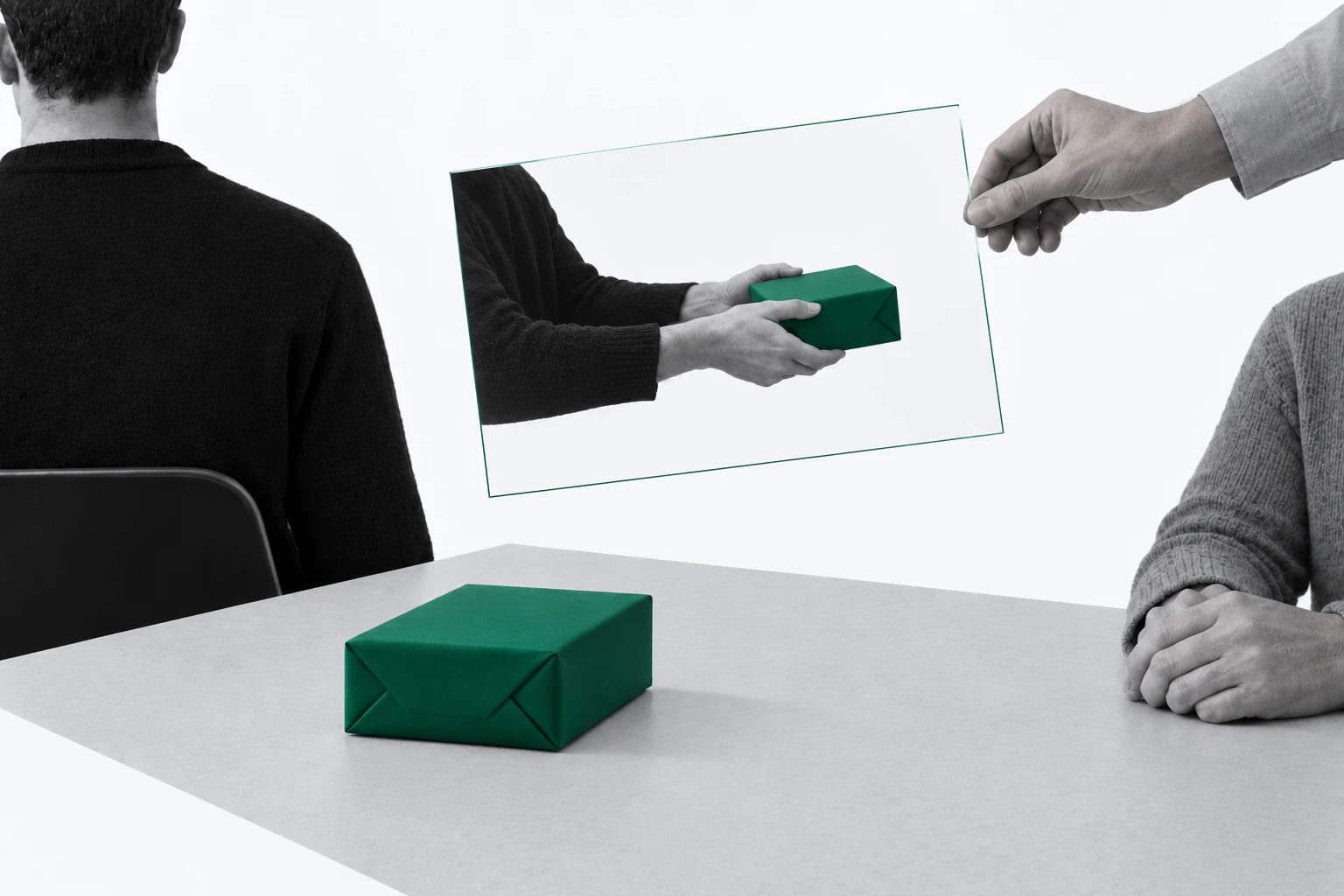
Relationships
Forgiveness can be an act of freedom. When it becomes an obligation, the injured person may find themselves carrying not only the harm, but responsibility for making everyone comfortable with it.
Read more →
Patterns
Understanding people can look like maturity. But when every explanation makes less room for your own experience, what happens to you?
Read more →
Patterns
Sometimes what we are trying to save is not the relationship, but the story we were given at the beginning. A reflection on inconsistency, empathy and the moment reality asks us to update the story.
Read more →
Patterns
Some patterns are easiest to miss because they are built not from what keeps happening, but from what repeatedly never gets the chance to happen.
Read more →
Patterns
Codependency can distort the way we recognise our own needs while also shaping what other people learn to expect from us, often leaving resentment to accumulate around things never openly said.
Read more →
Mind & Brain
The same behaviour can mean very different things depending on when it began, where it appears and what has been happening around it. When that context is missing, a response shaped by trauma can be mistaken for a person’s character.
Read more →
Mind & Brain
Empathy can help us enter another person’s suffering. It can also gather so completely around the person who caused the harm that the victim begins to disappear.
Read more →
Relationships
Self-neglect inside a relationship rarely begins with a dramatic sacrifice. More often, it begins with small decisions that make sense on their own, until almost every decision is being made with someone else’s response in mind.
Read more →
Relationships
Some conflicts end because something has been understood. Others end because ordinary life resumes, and the return to normal is mistaken for repair.
Read more →
Identity
Compromise is not defined by how much it costs us. The more revealing question is whether our own position was allowed to count before the decision was made.
Read more →
Identity
Sometimes usefulness does more than help other people. It can give us a role, a position and a reliable way to know how we belong.
Read more →Occasional writing and observations on human behaviour, relationships, identity and change.
By subscribing, you’ll receive New Thoughts by email. You can unsubscribe at any time. Privacy & Cookies.